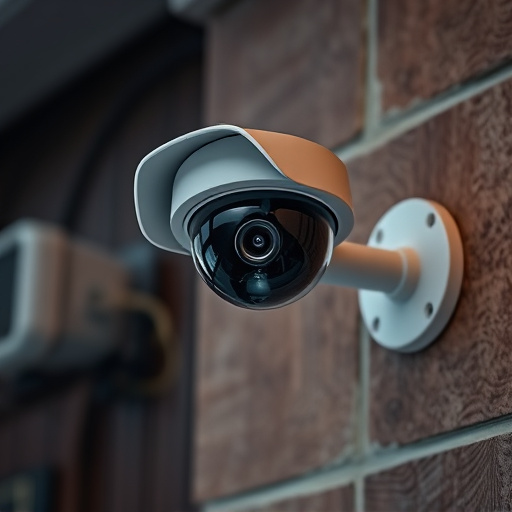
Fake CCTV cameras with motion detection are powerful deterrents for theft and vandalism due to their realistic appearance and sensor technology. For optimal effectiveness, strategically place them in highly visible areas at eye level, near genuine security features, and activate them via apps or control panels. High-quality, realistic cameras with LED indicators, regular rotation, and prompt audio warnings maximize their deterrent effect on intruders.
Deter burglars without breaking the bank with a guide to fake security camera installation. Learn how to utilize fake CCTV cameras with motion detection to create a powerful deterrent effect for your home or business. This comprehensive tutorial covers everything from understanding these innovative devices and choosing the perfect installation location, to a detailed step-by-step setup process and maintenance tips to keep the illusion intact.
- Understanding Fake CCTV Cameras and Their Motion Detection
- Planning the Installation: Choosing the Right Location
- Step-by-Step Guide to Setting Up Your Fake Security Camera
- Tips for Maintaining the Illusion and Enhancing Deterrent Effects
Understanding Fake CCTV Cameras and Their Motion Detection
Fake CCTV cameras, also known as dummy or decoy cameras, are designed to look like real security cameras but serve no actual surveillance function. These devices have become increasingly popular as a deterrent for potential thieves and vandals due to their realistic appearance. Understanding how they operate is key to an effective installation strategy.
The motion detection feature of fake CCTV cameras is typically powered by passive infrared (PIR) sensors or advanced digital image processing algorithms. PIR sensors detect sudden changes in heat, often indicating the presence of a moving object, while digital cameras use sophisticated software to analyze video feeds and trigger alerts when unusual activity is detected. This technology ensures that the camera responds swiftly to any perceived threats, mimicking the behavior of genuine security systems.
Planning the Installation: Choosing the Right Location
When planning the installation of fake security cameras, selecting the optimal location is a crucial step. Given that the primary goal is to deter potential intruders, strategically placing these devices becomes paramount. Opt for areas with high visibility, such as entry points, windows, or open spaces, where an actual camera would be expected. Positioning them at eye level and within range of passersby can significantly enhance their deterrent effect.
Consider factors like lighting—a well-lit area is ideal—and proximity to existing security features. For instance, placing a fake CCTV camera near a real one or other security measures can create the appearance of a comprehensive surveillance system. This strategic planning ensures that your fake security cameras with motion detection function effectively as deterrents, providing peace of mind and an added layer of protection for your property.
Step-by-Step Guide to Setting Up Your Fake Security Camera
Setting up a fake security camera, specifically those equipped with motion detection, can significantly enhance the perceived security of your property. Here’s a straightforward guide to help you through the process. First, choose a location strategic for deterrence and visual coverage. Mounting it in plain sight, often near entry points or valuable assets, sends a clear signal to potential intruders. Ensure the camera has a stable platform; use secure mounting hardware suitable for your chosen surface, whether that’s wood, metal, or concrete.
Next, connect the fake CCTV camera to a power source. Many models come with a simple plug-and-play design, allowing for easy installation without extensive wiring. Once powered on, adjust the camera’s settings via its control panel or accompanying app. Configure motion detection sensitivity and set recording preferences according to your needs. Test the functionality by simulating movement in the viewfinder; you should see the camera activate promptly. With these steps complete, your fake security camera is ready to deter potential intruders while adding an extra layer of peace of mind.
Tips for Maintaining the Illusion and Enhancing Deterrent Effects
To maintain the illusion and enhance the deterrent effects of fake security camera installations, it’s crucial to mimic genuine CCTV cameras as closely as possible. Opt for high-quality, realistic-looking fake cameras that feature LED indicators and a sleek design similar to real security equipment. Position them strategically in plain sight, aiming to cover key areas where potential intruders might attempt access. Regularly move or rotate the cameras to avoid patterns, ensuring they appear active and constantly monitoring.
Pairing these visual deterrents with motion-activated features can significantly boost their effectiveness. Choose fake CCTV cameras with motion sensors that respond promptly and realistically. Test their sensitivity regularly to ensure they detect movement as intended, without false alarms. Combine this with realistic audio responses, like beeps or recordings of voices warning intruders, for a more immersive effect.
Fake CCTV cameras with motion detection can be an effective deterrent for potential intruders. By strategically planning your installation, choosing the right location, and following a simple step-by-step guide, you can create a convincing security system. Regular maintenance and creative tips will help enhance the illusion, ensuring your fake security camera continues to serve its purpose as a powerful visual deterrent.