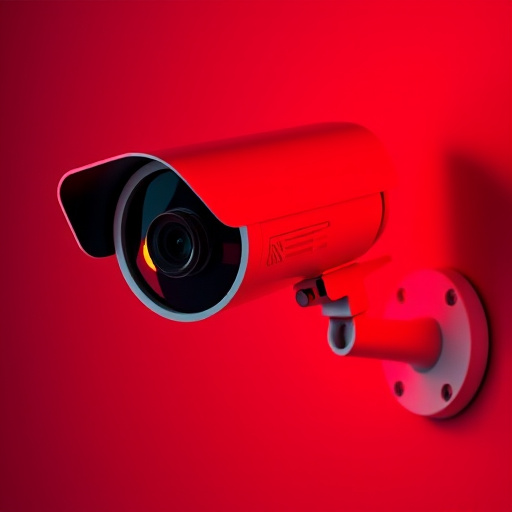
Mounting fake CCTV cameras with motion detection at 1-3 meters (3-10 feet) above ground offers optimal security, providing clear views, precise motion detection, and high-quality footage. Placement should consider line of sight, lighting, field of view, and strategic spacing to avoid overlap or blind spots. Realistic positioning, like eye-level mounting and uniform spacing, enhances their crime deterrent effect. Legal considerations include respecting privacy laws, avoiding identification without consent, and clearly labeling the cameras as simulations to prevent misleading surveillance.
Uncover the secrets to effectively deploying fake security camera systems with our comprehensive guide. Learn about the optimal mounting heights, as understanding these is crucial for enhancing your home or business security. We explore factors influencing the ideal placement of motion-activated CCTV cameras, providing best practices for discreet installations. Additionally, discover legal and safety considerations when utilizing fake CCTV cameras to ensure a secure and compliant setup.
- Understanding Fake Security Camera Mounting Heights
- Factors Affecting Ideal Placement for Motion-Activated CCTV Cameras
- Best Practices for Discreetly Positioning Your Fake CCTV System
- Legal and Safety Considerations When Using Fake Security Cameras
Understanding Fake Security Camera Mounting Heights
Understanding Fake Security Camera Mounting Heights is a critical step in ensuring effective home or business security. When discussing fake CCTV cameras with motion detection, mounting height plays a significant role in their functionality. Typically, these cameras are designed to be placed at strategic locations to maximize coverage and deter potential intruders. A common recommendation is to mount them at a height of 1-3 meters (3-10 feet) above the ground, offering a clear view while remaining out of direct sight.
This optimal range allows for precise motion detection and high-quality surveillance footage, enabling users to identify and respond to any suspicious activities. Additionally, positioning the camera at this height helps in avoiding obstructions like trees or signs that might obstruct the line of sight, ensuring continuous monitoring and a comprehensive security setup.
Factors Affecting Ideal Placement for Motion-Activated CCTV Cameras
The ideal placement for motion-activated fake security cameras, or fake CCTV cameras with motion, is influenced by several factors. One key consideration is line of sight—the camera should have an unobstructed view of the area to be monitored, allowing it to detect and record movement effectively. This often means positioning the camera at a height that provides a clear vista without being easily visible to potential intruders.
Another crucial factor is lighting. Adequate illumination ensures the camera’s sensors can capture clear images, enhancing its motion detection capabilities. Proper placement near lights or in well-lit areas can maximize the effectiveness of fake CCTV cameras with motion, making them a powerful deterrent against crime. Additionally, the camera’s field of view and angle should be considered to ensure it covers all relevant zones without overlap or blind spots.
Best Practices for Discreetly Positioning Your Fake CCTV System
When discreetly positioning your fake CCTV system, a strategic approach is key to maintaining its illusion and effectiveness. One of the best practices is to mimic real camera placement found in secure locations. This means mounting cameras at typical eye-level heights—around 8-10 feet (2.4-3 meters) off the ground—to prevent detection from passersby or potential intruders. A uniform spacing between cameras can also create an authentic network, enhancing the system’s perceived capability and deterrence value.
Leveraging motion sensors is another crucial aspect for realistic simulation. Fake CCTV Cameras With Motion should be programmed to activate with subtle movements within their field of view, mirroring real camera functionalities. Positioning them in corners or strategic points around a property can maximize coverage while keeping their presence subtly integrated into the environment, ensuring both security and aesthetic harmony.
Legal and Safety Considerations When Using Fake Security Cameras
When utilizing fake security cameras, such as those mimicking real CCTV Cameras with motion detection capabilities, it’s crucial to be aware of legal and safety guidelines. The placement of these simulated devices must adhere to privacy laws and regulations specific to your region. Aiming camera lenses at public spaces or areas where individuals can be identified without explicit consent is generally prohibited.
Moreover, the use of fake CCTV Cameras with motion triggers should not create false security or cause panic. They should be positioned responsibly, ensuring they don’t mislead people into believing they are under constant surveillance. Proper labeling and clear indicators that these cameras are simulation devices can help avoid potential legal issues and maintain a safe environment for all.
When mounting fake security cameras, understanding the ideal heights and considering various factors can significantly enhance their effectiveness as a deterrent. By following best practices and legal guidelines, you can discreetly position your fake CCTV system to create an impression of enhanced security without infringing on privacy rights. Remember, while these guides provide valuable insights, local regulations may vary, so always ensure compliance before installation.