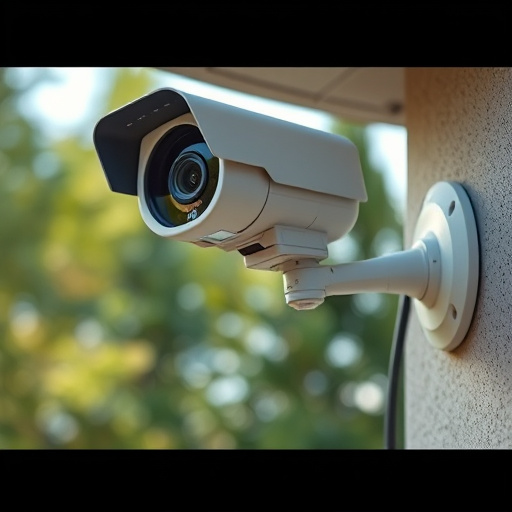
Dummy surveillance cameras, known as Fake CCTV Cameras With Motion, are cost-effective deterrents for thieves and vandals, resembling real equipment with motion detection. Strategic placement is key in homes and businesses, keeping them visible in well-lit areas aimed at entry points to maximize deterrent effect. In public spaces, these fake cameras create an illusion of heightened surveillance, discouraging unethical behavior without infringing on privacy. Regular testing ensures accurate triggering for optimal security benefits.
“Enhance your home or business security with the strategic placement of dummy surveillance cameras—a cost-effective, non-intrusive alternative to real CCTV. This comprehensive guide explores the art of utilizing fake CCTV cameras with motion activation for optimal protection. From understanding these devices’ capabilities to navigating indoor and outdoor installation, we delve into key considerations like positioning, triggering mechanisms, and common pitfalls. Discover how these discreet decoys can deter crime, offering both peace of mind and a robust security layer.”
- Understanding Dummy Surveillance Cameras: A Comprehensive Overview
- Key Considerations for Effective Motion-Activated Dummy Camera Placement
- Enhancing Security: Strategizing with Fake CCTV Cameras in Public Spaces
- Uncovering the Benefits of Discreetly Positioning Dummy Cameras Indoors
- Common Mistakes to Avoid When Setting Up Fake Surveillance Equipment
Understanding Dummy Surveillance Cameras: A Comprehensive Overview
Dummy surveillance cameras, often referred to as fake CCTV cameras with motion detection, are an effective deterrent for potential thieves and vandals. They mimic the appearance and functionality of real security cameras, providing a comprehensive solution for home and business owners looking to enhance their safety measures. These devices are designed to blend seamlessly into their surroundings, making it difficult for intruders to distinguish between genuine and imitation surveillance equipment.
Understanding how these dummy cameras work is key to maximizing their potential. Motion-activated sensors trigger the camera to capture footage when any movement is detected, just like their real counterparts. The use of advanced technology ensures that these fake CCTV cameras can simulate realistic camera behavior, including recording and flashing an LED light, thereby discouraging criminal activities.
Key Considerations for Effective Motion-Activated Dummy Camera Placement
When placing a motion-activated dummy camera, consider its strategic position to achieve optimal results. These devices are designed to mimic real CCTV cameras, so their visibility is crucial for deterring potential criminals. Place them in areas where there’s ample natural or artificial light to ensure clear footage during all hours.
The sensitivity of the motion sensor is another key factor. Adjust it to detect both human and animal movement to prevent false alerts. Orient the camera towards entry points like doors, windows, or alleys, as these are common target areas. Remember, the goal is to create an impression of surveillance that could potentially deter crime, so strategic placement of Fake CCTV Cameras With Motion can significantly enhance security measures for your property.
Enhancing Security: Strategizing with Fake CCTV Cameras in Public Spaces
In public spaces, enhancing security is paramount, and one effective strategy involves the strategic placement of dummy surveillance cameras. These realistic-looking yet inactive devices serve as powerful deterrents against potential criminals. By mimicking the presence of active CCTV cameras with motion detection capabilities, they create an illusion of heightened surveillance, thereby reducing the likelihood of unethical behavior. This simple yet clever approach can transform bustling areas into safer environments for folks navigating through them daily.
The use of fake CCTV cameras encourages a sense of accountability among individuals, as they subconsciously adhere to stricter conduct when believing they are under constant observation. In today’s digital era, where technology plays a significant role in our lives, these dummy cameras add an extra layer of protection without compromising privacy. This innovative tactic is particularly useful for navigating labyrinthine public spaces, ensuring that even the moist remnants of questionable activities can be deterred and potentially caught on camera—metaphorically speaking.
Uncovering the Benefits of Discreetly Positioning Dummy Cameras Indoors
By strategically placing dummy surveillance cameras, specifically those that mimic real CCTV cameras with motion detection (Fake CCTV Cameras With Motion), businesses and homeowners can significantly enhance their security. The primary benefit lies in the deterrence factor; potential intruders are less likely to attempt any malicious activity when they believe they’re being watched. This subtle yet powerful presence can act as a game-changer in crime prevention, as it leverages the power of visual surveillance without revealing the actual monitoring system.
Furthermore, discreetly positioned fake cameras can provide valuable peace of mind by offering an extra layer of protection. They serve as a decoy, drawing attention away from any genuine security equipment and giving the impression of a robust surveillance network. This clever approach allows individuals to safeguard their properties, whether it’s a retail store, office building, or residential home, without compromising aesthetics or privacy.
Common Mistakes to Avoid When Setting Up Fake Surveillance Equipment
Setting up dummy surveillance cameras, or fake CCTV cameras with motion, might seem like a simple task, but there are several common mistakes to avoid for optimal effect. One of the primary errors is misplacing the devices; ensuring they’re positioned at strategic points in plain sight is key. These spots should be easily visible to deter potential intruders without drawing unnecessary attention. For instance, placing them near back doors or windows can serve as a powerful psychological deterrent.
Another mistake to steer clear of is neglecting to trigger the motion sensors accurately. Fake surveillance cameras with motion should activate when someone enters their field of view, but cheap imitations might not respond promptly or consistently. This can render them less effective at scaring off intruders and may even lead observers to question their authenticity. Regular testing and calibration are essential to ensure these devices function as intended, providing a convincing display of security.
In conclusion, dummy surveillance cameras, particularly those with motion activation, offer a strategic and cost-effective way to enhance security. By understanding their functionality and leveraging key placement tips, such as considering environment, distance, and angle, you can create an effective deterrent against potential intruders. Whether in public spaces or indoor areas, discreetly positioned fake CCTV cameras provide a powerful tool for deterring crime without breaking the bank. Avoid common pitfalls by staying informed about best practices, ensuring realistic appearances, and maintaining proper functionality to maximize their security benefits.